
Consumer Behavior
Social TV & Super Bowl Ads [INFOGRAPHIC]
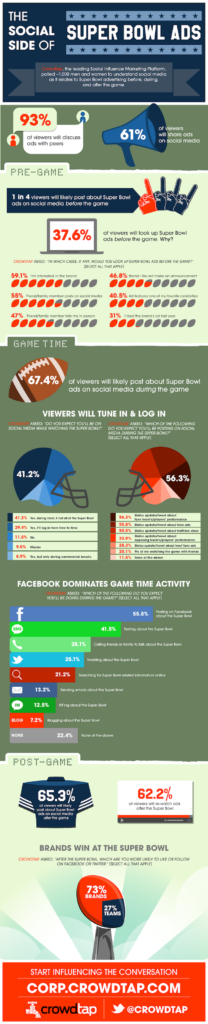
This infographic from Crowdtap illustrates the social side of Super Bowl ads.
Read MoreSocial Referral Traffic Trends, September 2012 – December 2013 [CHART]
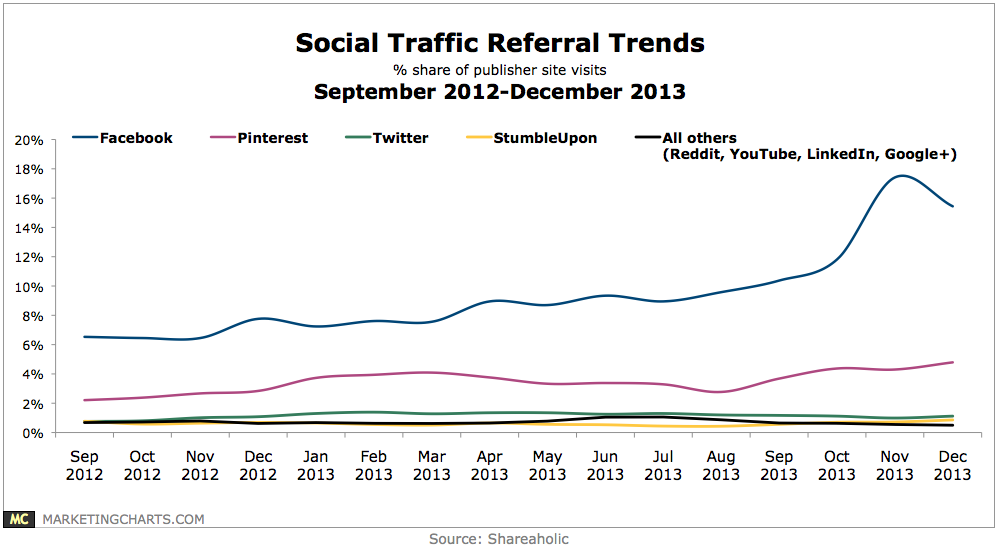
While Facebook’s share of site visits retreated a little after a surge in November, it remains the comfortable leader, ending 2013 far ahead of its competitors.
Read MoreConsumer Spending Philosophies By Generation, January 2014 [CHART]
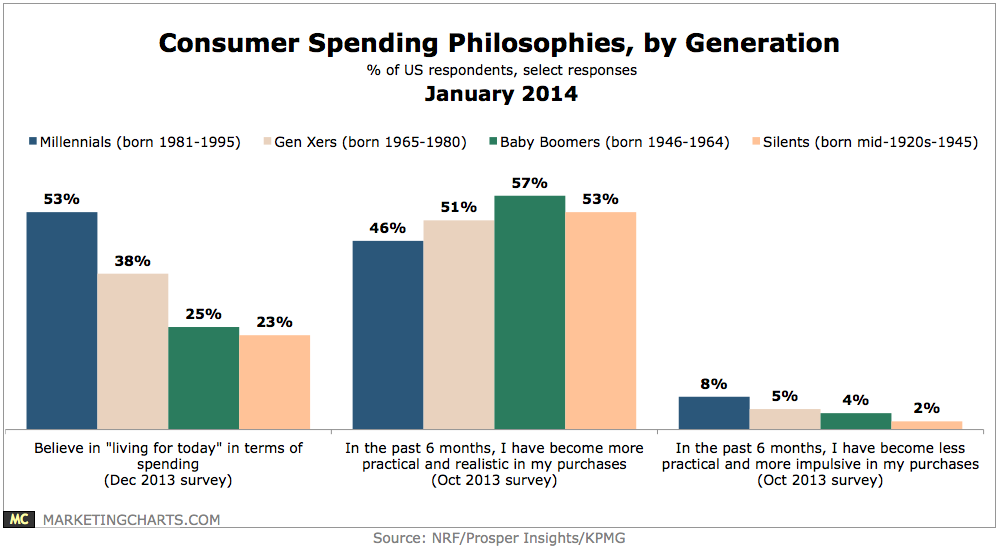
A slight majority – 53% – of Millennials (born 1981-1995) say they have a Live For Today spending philosophy, a mindset which is not shared by older generations
Read MoreMost Effective Issue Resolution Methods, According To Customers – January 2014 [CHART]
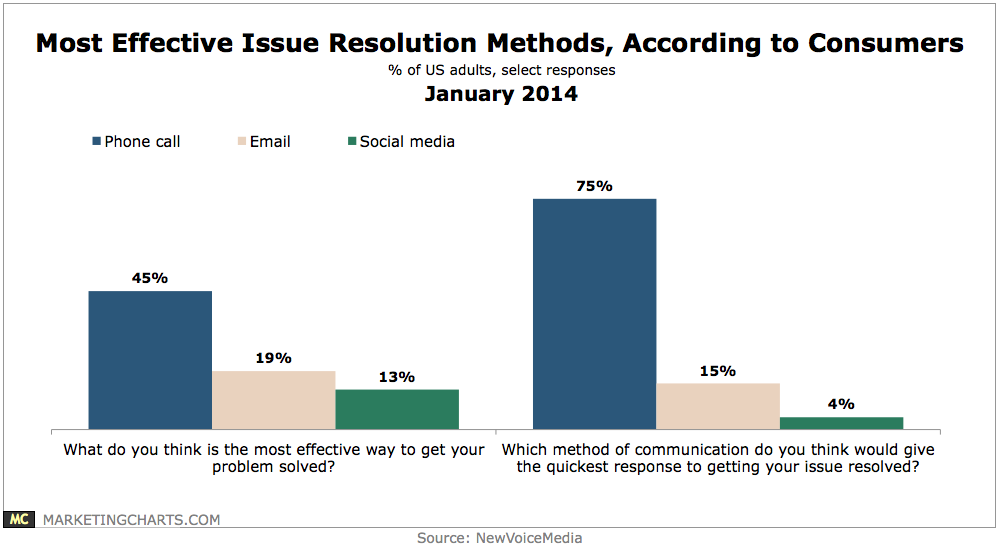
Some 45% of respondents believe that calling a company is the most effective way to get their problem solved, compared to 19% who felt that way about email and 13% about social media channels.
Read MoreAppeal Of Online Video Ad Types, January 2014 [CHART]
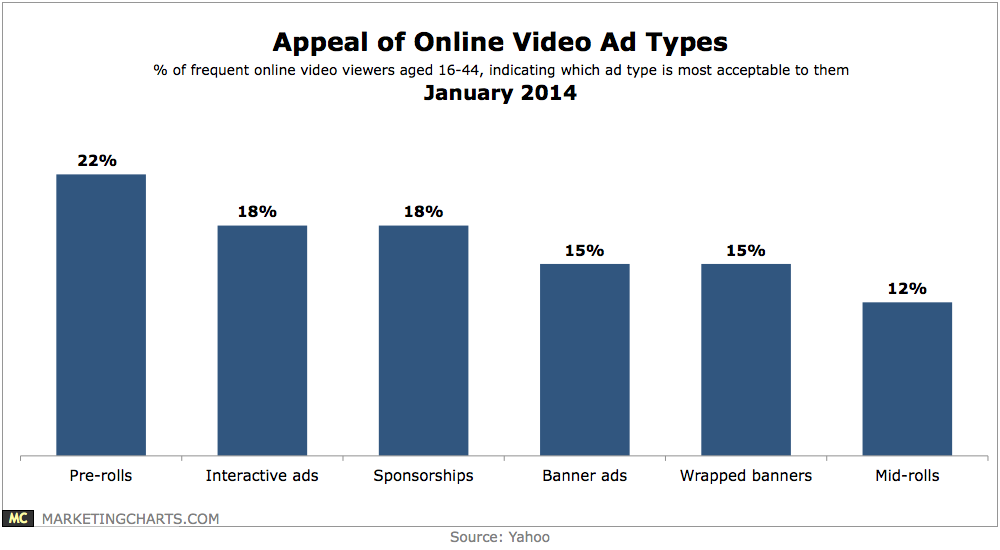
Across 6 ad types listed, pre-rolls emerged as the most acceptable type of ad, cited by 22% of respondents.
Read MoreBenefits B2C Customers See In Sharing Personal Information, September 2013 [CHART]
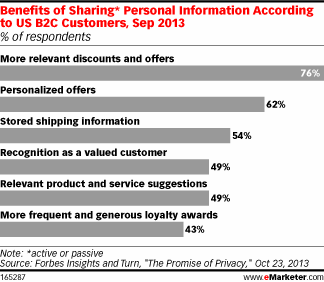
More than three-quarters of US business-to-consumer customers saw the benefit of trading personal information for more relevant discounts and offers.
Read MoreSocial Media Response Rates By Industry, Q3 2013 [TABLE]
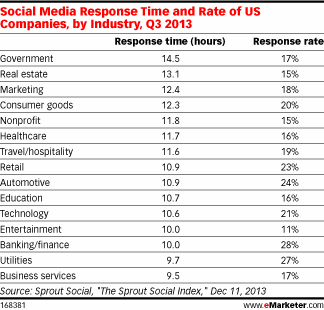
A breakdown of social media response times and rates by industry found that government companies had the longest response time—14.5 hours—and a response rate of just 17%.
Read MoreAffluent Super Bowl Audiences, 2003-2013 [CHART]

The Super Bowl audience has numbered more than 50 million TV homes over each of the past 4 big games.
Read MoreSocial Revenue Per-Visit, Q4 2012 vs Q4 2013 [CHART]
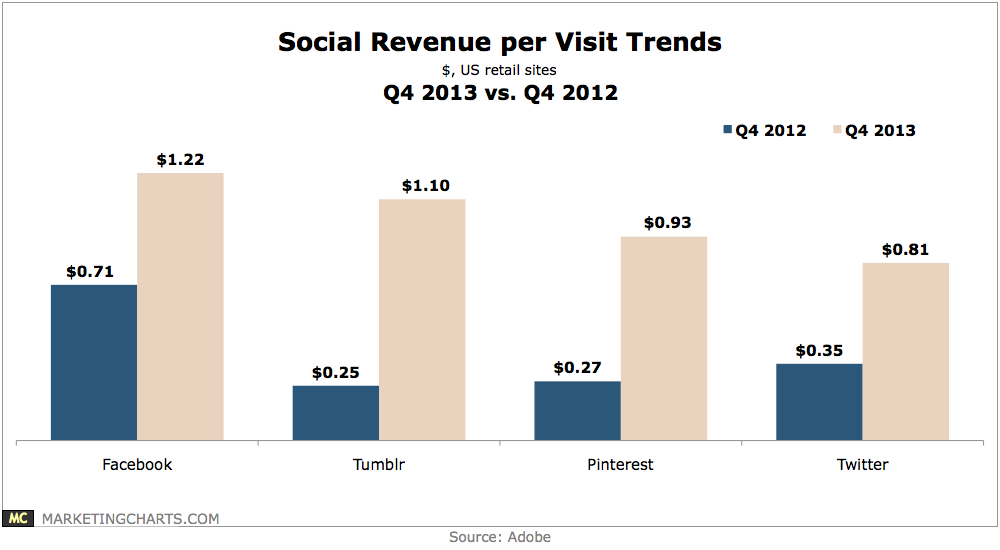
None of the major platforms’ revenue-per-visit (RPV) grew quite as quickly on a year-over-year basis as Tumblr: the network’s RPV shot up by 340% to $1.10 in Q4 2013.
Read MoreCredibility Of Company Information Sources, January 2014 [CHART]
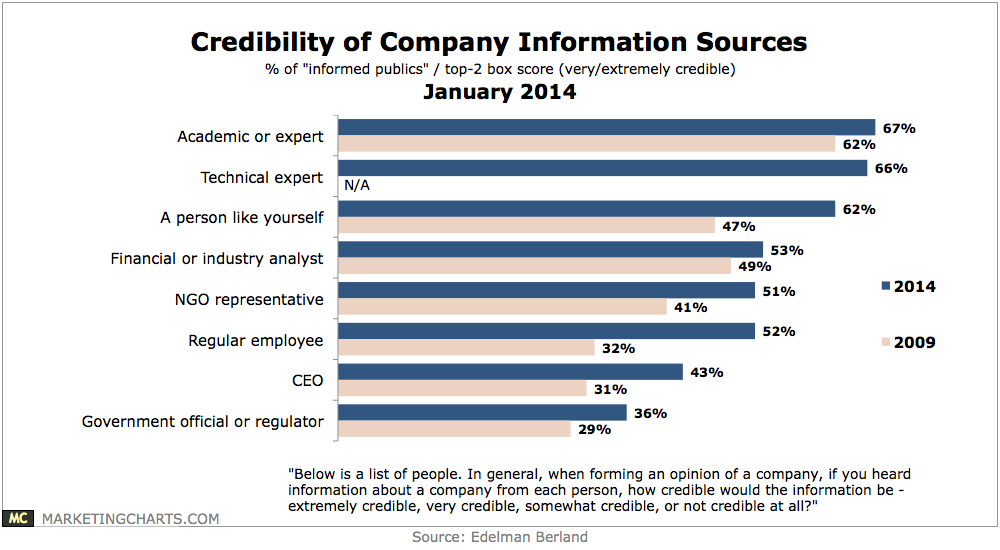
About two-thirds said that they would consider the information they heard from an academic or expert (67%) or technical expert (66%) to be either extremely or very credible.
Read More