
Social Media Marketing
Mobile Visits To Popular Sites By Device, January 2014 [CHART]
Smart phones were more than twice as popular as tablets for mobile pinning.
Read MorePrimary Device Used When Sharing Social Content By Channel, Q2 2014 [CHART]
US internet users logging on to Pinterest via mobile were three times more likely to pin than desktop users.
Read MoreValue Of Social Business To Organizations, July 2014 [CHART]
Almost 6 in 10 B2B respondents agreed that social business has positively affected their organization’s business outcomes.
Read MoreChannels Senior Ad Execs Expect Will Grow [CHART]
US senior advertising executives predicted that social media-driven campaigns would see the most growth in commercial production in 2014, cited by 44% of respondents.
Read MoreTop Benefits Of Online Tune-In Advertising, June 2014 [CHART]
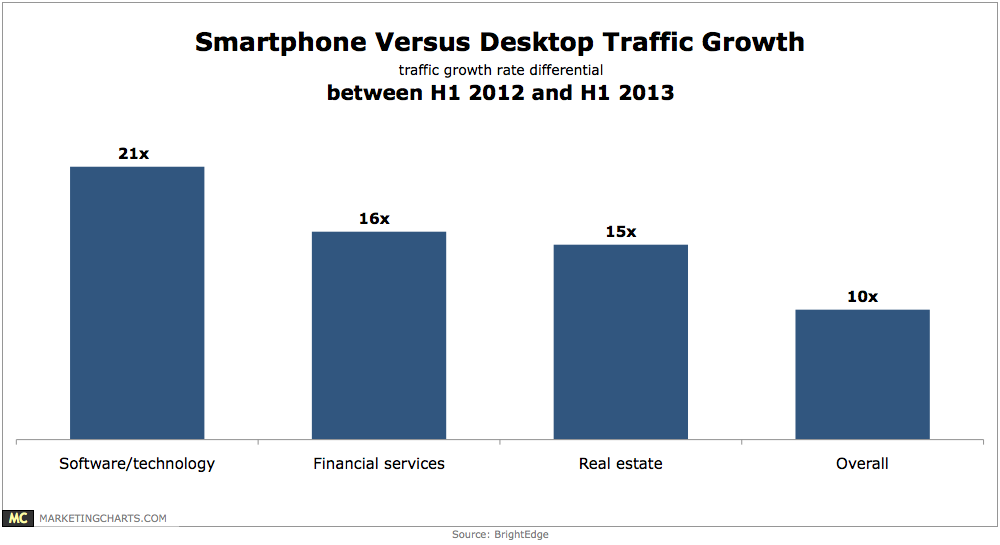
The top benefit of digital tune-in advertising was being able to reach viewers on their mobile phones and tablets, cited by 77% of US broadcasters and syndicators.
Read MoreTop Online Marketing Tactics For Customer Retention, July 2014 [CHART]
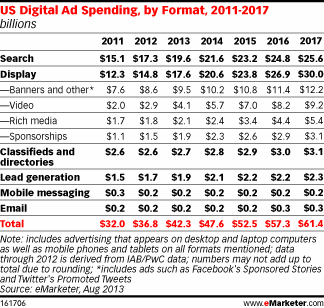
Email’s influence is most pronounced when it comes to retention, beating out social media marketing and content marketing, among others, by a wide margin.
Read MoreTV Binge-Viewers Attitudes Toward Advertising, July 2014 [CHART]
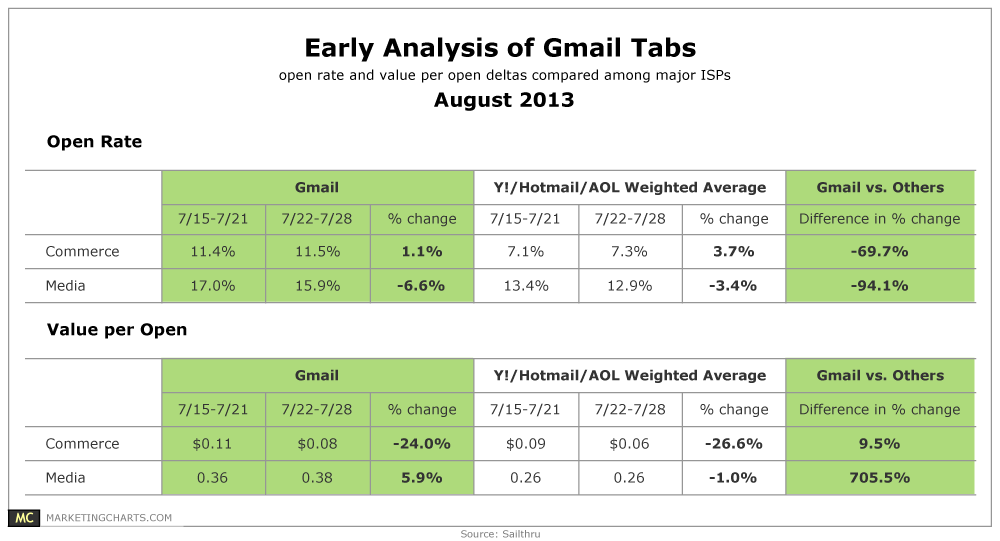
Roughly 6 in 10 binge-viewers (defined as TV viewers who watch at least 3 episodes of the same TV show in one sitting) agree that they enjoy binge-viewing because they don’t have to watch ads.
Read MoreSources For Researching Products According To Millennials vs Boomers, February 2014 [CHART]
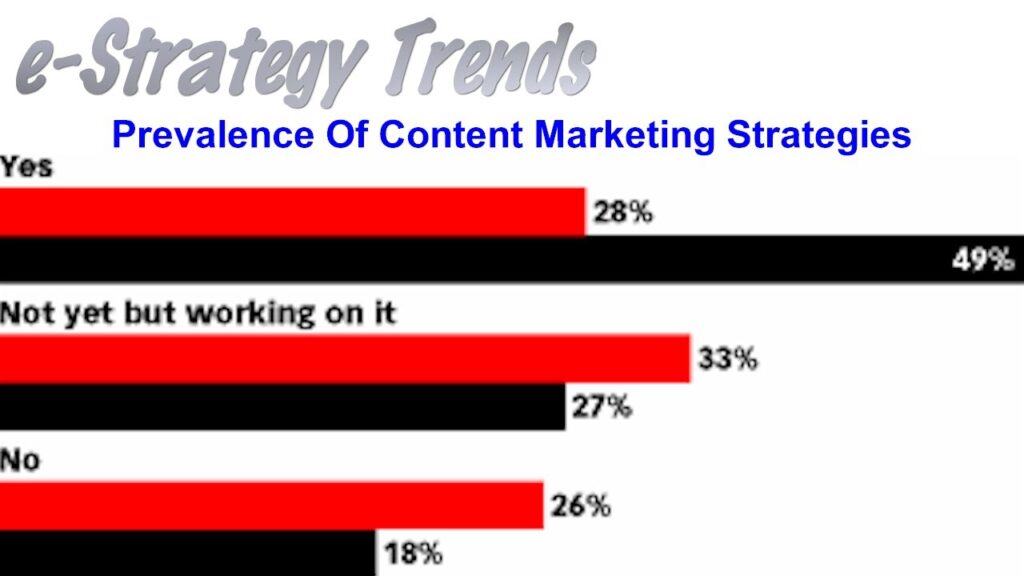
Boomers’ online research has a distinct generational flavor.
Read MoreUS Brands’ Average Facebook Post-Engagement Rates, H1 2014 [CHART]
The average Facebook brand’s post generated an engagement rate of 0.16% in the US during the first quarter of the year.
Read MorePhysicians Who Consider Social Networks An Important Clinical Resource, Q1 2014 [CHART]
Just 14% of US primary care physicians said that social networks were a somewhat or very important clinical resource, compared with 30% who said they weren’t important at all.
Read More